
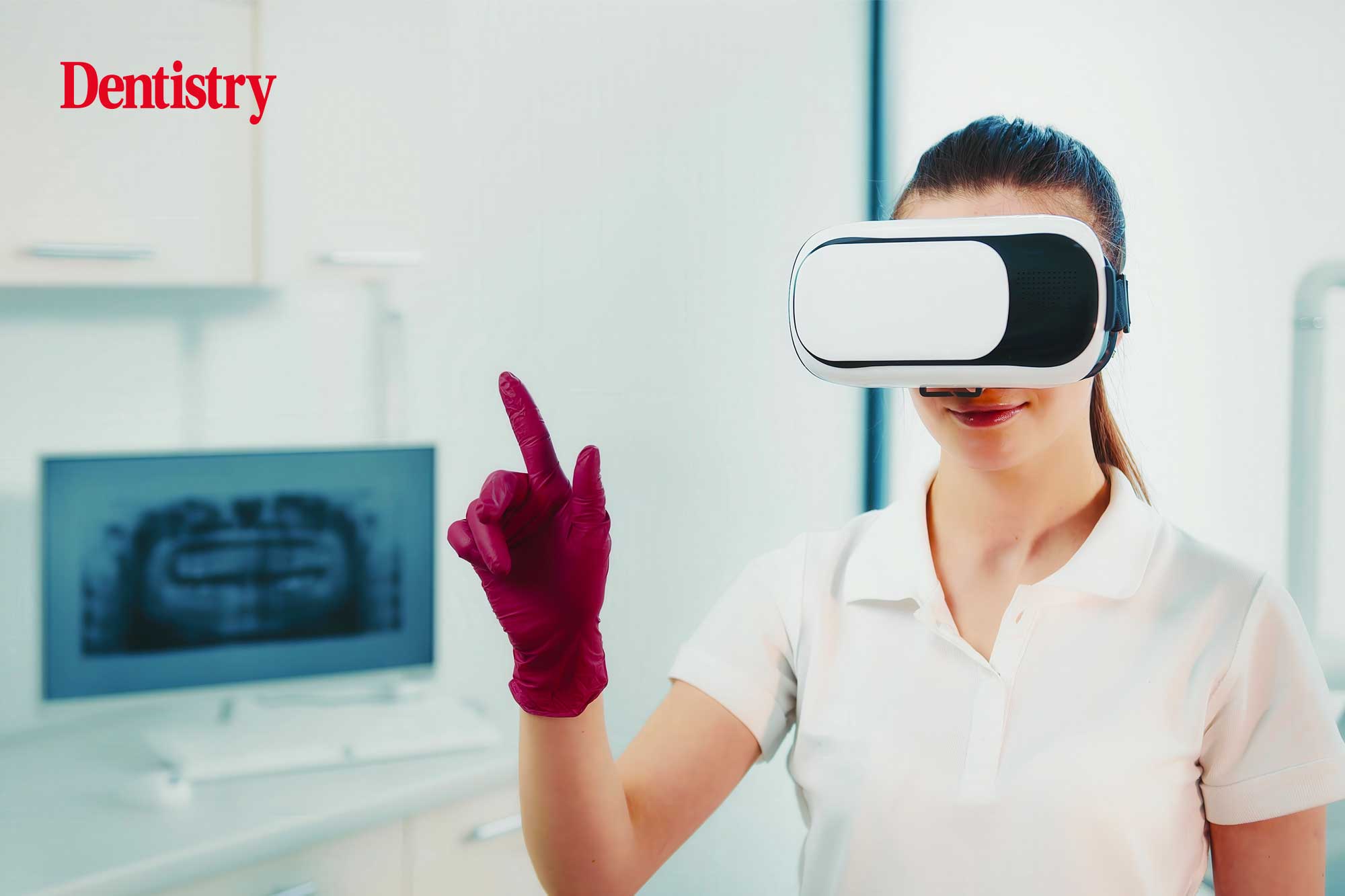
Students who began their training with virtual reality (VR) haptic simulators had significantly higher manual dexterity in a new study.
The 40 student volunteers were divided into two groups following standardised lectures and demonstrations on access cavity preparation. One trained with virtual reality haptic simulators before moving onto artificial teeth, the other started with artificial teeth and then used the VR simulators.
The group that began with VR had less anxiety and felt more confident in performing access cavity preparations and managing challenges. They rated their own proficiency higher than the other group.
Simulator-based performance metrics were similar between the groups and stress was notably reduced following simulator practice among all of the students.
During preclinical training students develop manual dexterity, psychomotor skills and confidence before entering a clinical setting. Virtual reality can aid this development by allowing more repetition and standardised feedback.
Do virtual reality training systems have any limitations?
However a survey of clinical educators found that there are still some barriers to using VR successfully in dental training. More than one third (35%) said there were technical limitations to current systems. The researchers said that problems such as insufficient haptic precision and restricted procedural options undermine skill transfer to real patient care.
Financial concerns were also common, with 28% of institutions struggling to afford VR devices. Shortages of equipment can limit student access and inhibit their learning.
Another key problem was resistance to change. One quarter (24%) of the educators noted low acceptance of VR technology among both staff and students. A further 13% considered changing the curriculum to incorporate the new technology and training educators to be too time consuming.
The study’s authors recommended further technological development, seeking cost-reduction innovations, to address these issues. They also suggested providing targeted faculty training to demonstrate the educational benefits of VR haptics.
Quelle:
https://dentistry.co.uk/2025/05/08/is-virtual-reality-the-best-way-to-train-endodontists/