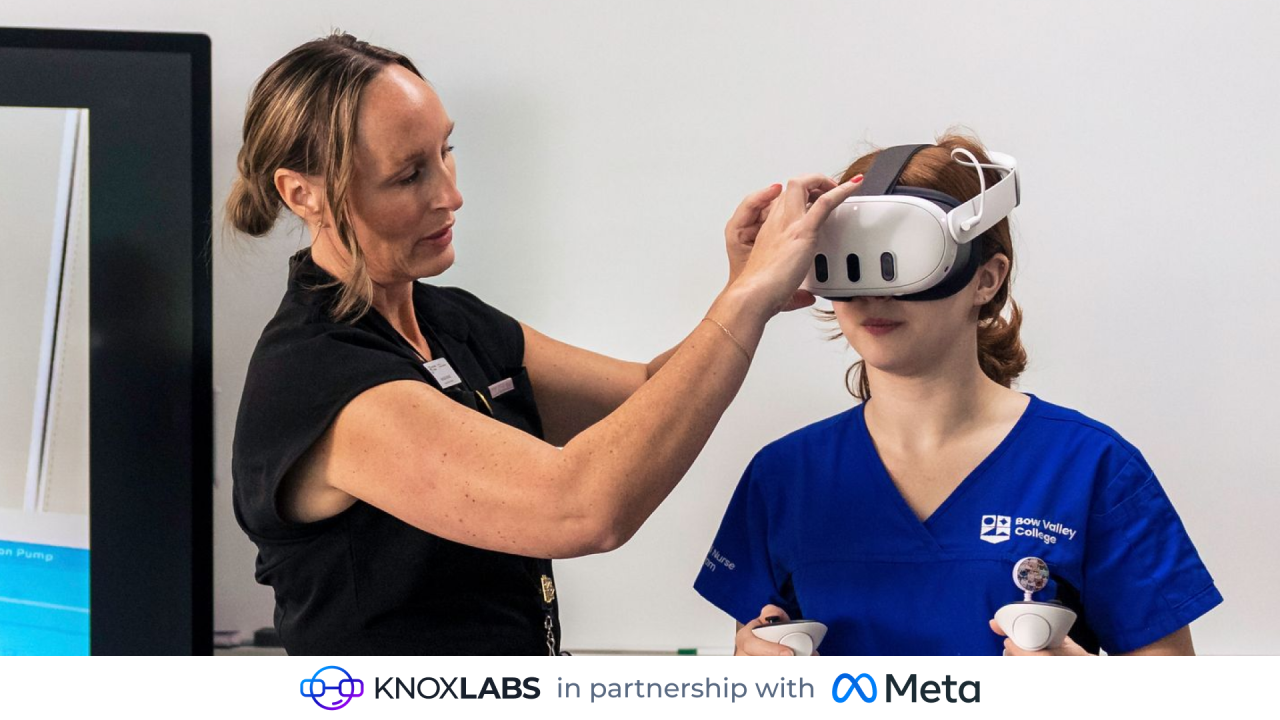


It was announced recently that Meta is partnering with military tech company Anduril to bring XR technology to the battlefield. New job listings indicate the company is also looking to expand its XR tech into the medical field.
Meta is of course best known for in the XR space for its consumer VR and MR headsets like the Rift and Quest, but the company also thinks its XR tech has a bigger role to play. While Meta has dabbled in the education and enterprise spaces with its headsets for years, the company is now starting to think seriously about the medical field.
New job listings from Reality Labs (Meta’s XR division) show the company wants to fill roles relating to regulatory approval for XR medical products.
“We’re seeking a regulatory affairs specialist to join our medical devices compliance team. You will get to work on wearables and Software as a Medical Device (SaMD) applications for the US and worldwide approvals,” reads the listing for ‘Medical Devices, Regulatory Specialist‘. “You will work on cutting-edge wearable technologies, including augmented reality glasses, wrist wearables, and other innovative devices.”
“Collaborate proactively and establish strategic relationships with external stakeholders (Notified Bodies, FDA, Competent Authorities and other regulatory bodies) to ensure that requirements are known early during strategy development, enabling rapid market access to Meta Reality Labs products,” reads the listing for ‘Medical Devices Regulatory Affairs Strategy Specialist‘.
It’s unclear exactly which products or services Meta is hoping to bring into the medical space. However, augmented reality glasses like the company’s Orion prototype seem like a natural fit. While there are certainly established medical uses for VR and MR headsets, AR glasses have an advantage in real-world awareness and fidelity thanks to see-through lenses rather than passthrough; this is important for social reasons (doctors being able to look their patients in the eye) and fidelity (a surgeon having an unfiltered view of an operation).
Beyond wearable devices, Meta is also likely to explore the use of conversational artificial intelligence as an aid to medical workers, and it’s wrist-worn input devices as a means of hands-free input.
Considering the often extensive regulatory hurdles in the medical landscape, it could be years yet before we see exactly what Meta plans to bring to market in this field.
Quelle: